You publish a great blog, hit “publish,” and wait for traffic, but nothing happens. It feels frustrating, right? This is where many websites struggle, not because the content is bad, but because search engines can’t properly find or store it. That’s where Crawlability and Indexability come into play. Think of your website like a library. If the doors are locked, no one can enter (crawlability).
And even if they do, if the books aren’t cataloged, they can’t be found later (indexability). Search engines work similarly. They first discover your pages and then decide whether to include them in search results. When both processes work smoothly, your content gets the visibility it deserves. In this guide, you’ll understand how to fix these hidden issues and improve your SEO performance.
What is Crawlability?
Crawlability means how easily search engines like Google can find and go through the pages on your website. Search engines use bots, also called crawlers or spiders, to visit your site and follow links from one page to another. If your website is well-structured and has clear links, these bots can quickly understand your content. Good crawlability helps your pages get noticed and increases your chances of appearing in search results. On the other hand, issues like broken links, slow loading speed, or blocked pages can stop bots from accessing your site properly. Improving crawlability is an important part of SEO because it ensures that search engines can explore your website without any problems.
What Is Indexability?
Indexability means whether a web page can be added to a search engine’s database, so it can appear in search results. After search engine bots crawl a page, they decide if it is useful and good enough to store in their index. Only indexed pages can show up when people search online. If a page is not indexable, it will not be visible on Google or other search engines. Factors like noindex tags, duplicate content, or poor-quality information can stop a page from being indexed. To improve indexability, you should use proper SEO settings, create helpful content, and avoid technical errors. Good indexability ensures your website pages have a better chance of ranking and getting organic traffic.
Difference Between Crawling and Indexing
The difference between crawling and indexing is simple but important in SEO. Crawling is the process by which search engine bots visit your website and discover new or updated pages. They follow links on your site to understand its structure and content. Indexing, on the other hand, happens after crawling. It is the process of storing and organizing those pages in a search engine’s database so they can appear in search results.
In short, crawling is about finding pages, while indexing is about saving them. A page must be crawled first before it can be indexed. However, not all crawled pages get indexed. If a page has low-quality content, duplicate information, or technical issues like a noindex tag, search engines may skip indexing it. Both processes are essential for SEO because without crawling and indexing, your website cannot appear in search results.
What is the Role of Crawlability and Indexability in Technical SEO Success?
Both crawlability and indexability are crucial for SEO.
Ensures Search Engines Can Properly Access Your Website: Crawlability is the first step in how search engines interact with your website. If search engine bots cannot access your pages due to poor structure, broken links, or blocked resources, your content will not even be discovered. A well-optimized site allows bots to move smoothly from one page to another using internal links.
This ensures that every important page is reachable and reduces the chances of content being ignored. In technical SEO, making your website easy to crawl is essential because it lays the foundation for all other optimization efforts.
Allows Important Pages to Be Indexed and Stored: Once a page is crawled, the next step is indexability. This determines whether the page is added to the search engine’s database. Only indexed pages can appear in search results. If your site has issues like incorrect noindex tags, duplicate content, or poor-quality pages, search engines may choose not to index them.
Proper indexability ensures that your most valuable pages are recognized, stored, and made eligible for ranking. Without this step, your SEO strategy cannot deliver results.
Boosts Website Visibility in Search Results: Crawlability and indexability directly affect how visible your website is on search engines. When your pages are easily crawled and properly indexed, they have a higher chance of appearing in search engine results pages (SERPs).
This increased visibility means more users can find your website when searching for relevant keywords. In competitive industries, even small improvements in visibility can lead to significant growth in traffic and brand awareness.
Improves Ranking Potential and SEO Performance: Search engines rank pages based on relevance, quality, and accessibility. If your website is technically optimized for crawlability and indexability, search engines can better understand your content. This clarity helps them match your pages with user search queries.
As a result, your pages are more likely to rank higher. Poor crawlability or indexability can prevent even well-written content from performing well in search rankings.
Reduces Technical Errors That Harm SEO: Websites often face issues like broken links, redirect chains, duplicate pages, or blocked resources. These problems can negatively impact both crawlability and indexability.
By identifying and fixing these issues, you ensure that search engines can access and index your pages without confusion. This reduces the risk of losing valuable traffic and helps maintain a healthy website.
Optimizes Crawl Budget for Better Efficiency: Search engines do not crawl every page of your website endlessly. They allocate a limited crawl budget, which is the number of pages a bot will crawl within a certain time. If your site has many unnecessary or low-value pages, this budget can be wasted. Optimizing crawlability ensures that bots focus on your most important pages, improving indexing efficiency and overall SEO performance.
Enhances User Experience Alongside SEO: Although crawlability and indexability are technical factors, they also improve user experience. A well-structured website with fast loading speed, clear navigation, and mobile-friendly design benefits both users and search engines. When users can easily find information, they are more likely to stay longer and engage with your content, which indirectly supports SEO success.
Supports Faster Indexing of New Content: When your website is optimized, search engines can quickly discover and index new pages. This is especially important for blogs, eCommerce sites, and news websites that regularly publish content. Faster indexing means your new content can start ranking sooner, helping you stay competitive and relevant in search results.
Drives Long-Term SEO Growth and Stability: Crawlability and indexability are not one-time fixes; they require ongoing attention. Regular audits, updates, and monitoring help maintain a strong technical SEO foundation. Over time, this leads to consistent indexing, stable rankings, and continuous growth in organic traffic. Websites that prioritize these factors are more likely to succeed in the long run.
In summary, crawlability and indexability play a central role in technical SEO success. They ensure your content is discovered, stored, and ranked effectively, making them essential for improving search visibility and achieving sustainable growth.
Key Factors That Affect Crawlability and Indexability in SEO
Here are the key Factors
Website Structure and Architecture
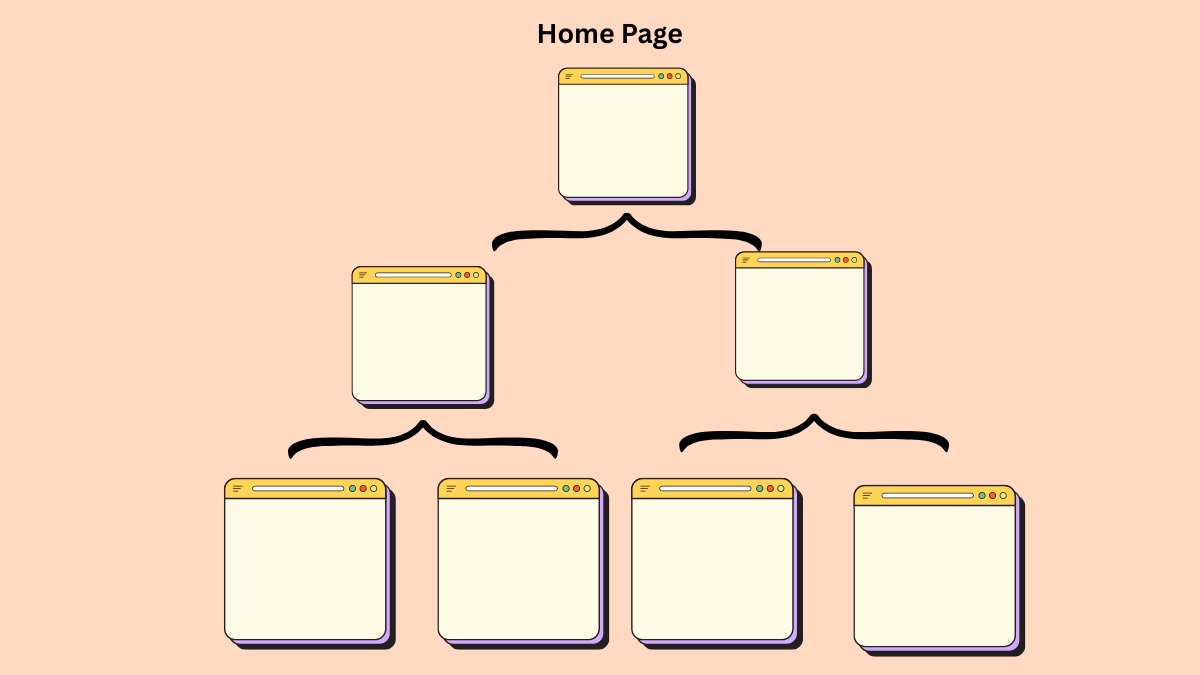
A well-organized website structure makes it easier for search engine bots to understand how your content is connected. Ideally, your site should follow a clear hierarchy, starting from the homepage and branching into categories, subcategories, and individual pages. When pages are only a few clicks away from the homepage, they are easier to crawl and more likely to be indexed. A confusing or deep structure can make it difficult for bots to reach important pages, reducing their chances of appearing in search results. Good architecture also improves user experience, which indirectly supports SEO performance.
Internal Linking
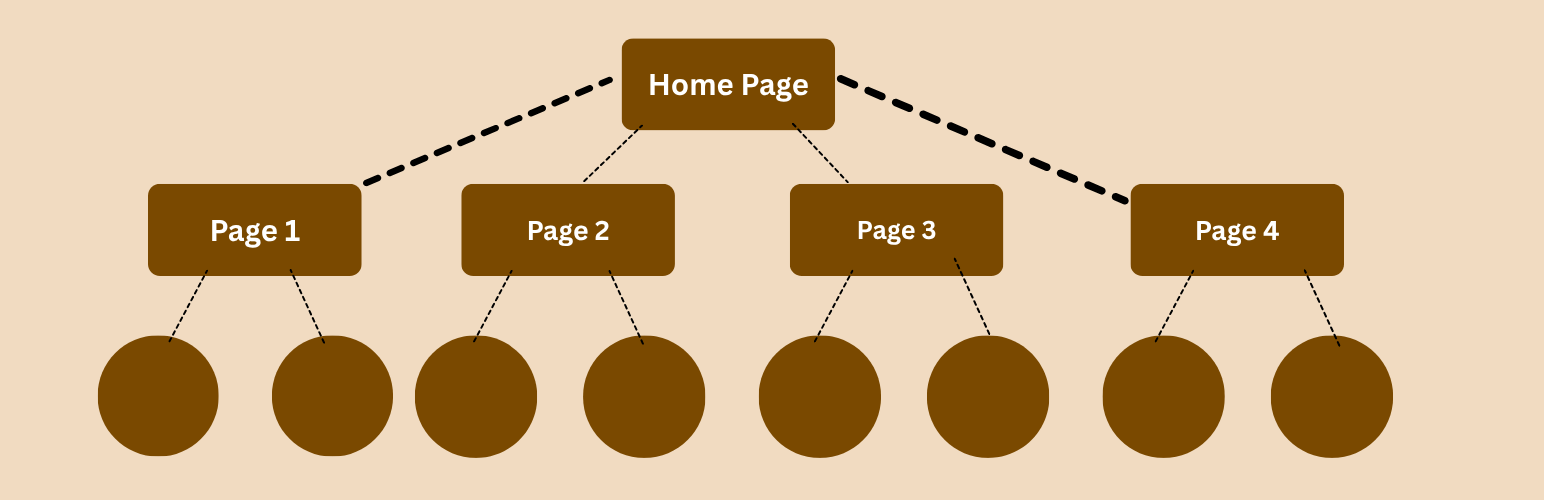
Internal Linking Strategy plays a major role in guiding search engine crawlers through your website. By linking relevant pages together, you help bots discover new content and understand the relationship between pages. Strong internal links also pass authority (link equity) to important pages, improving their ranking potential. Without proper internal linking, some pages may become orphaned, meaning they are not linked from anywhere else on the site and are difficult for search engines to find and index.
XML Sitemap
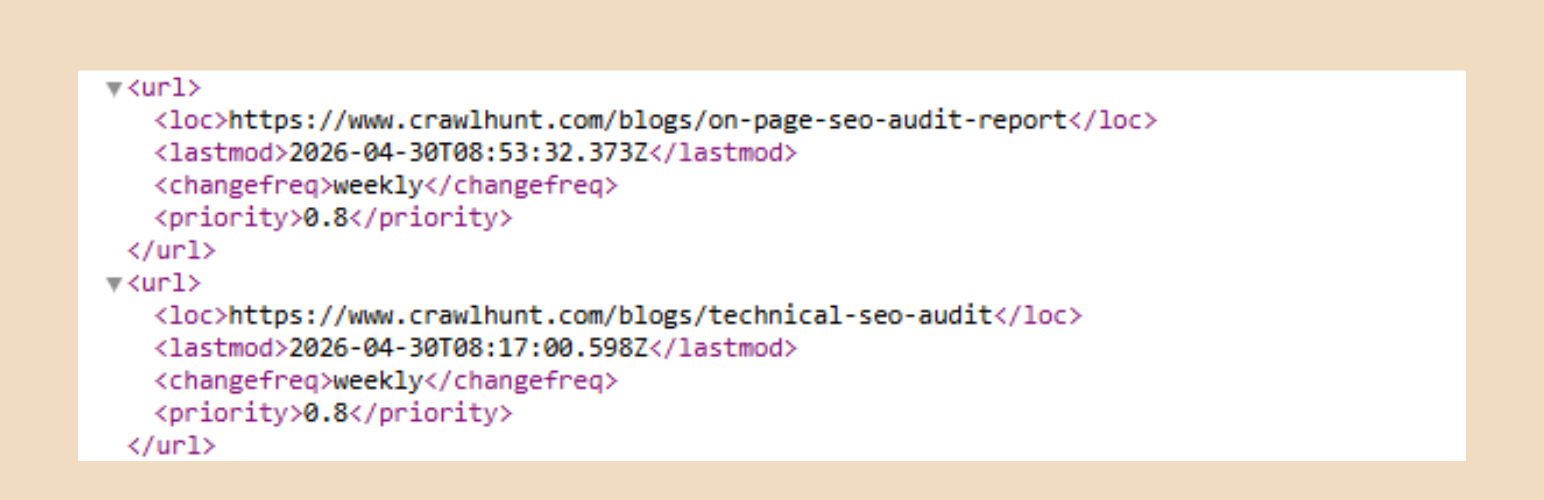
An XML sitemap is a file that lists all the important pages on your website. It acts as a guide for search engines, helping them quickly discover and crawl your content. This is especially useful for large websites or sites with complex structures. A properly updated sitemap ensures that new and updated pages are noticed faster. If your sitemap includes broken or irrelevant URLs, it can confuse search engines and reduce crawling efficiency.
Robots.txt File
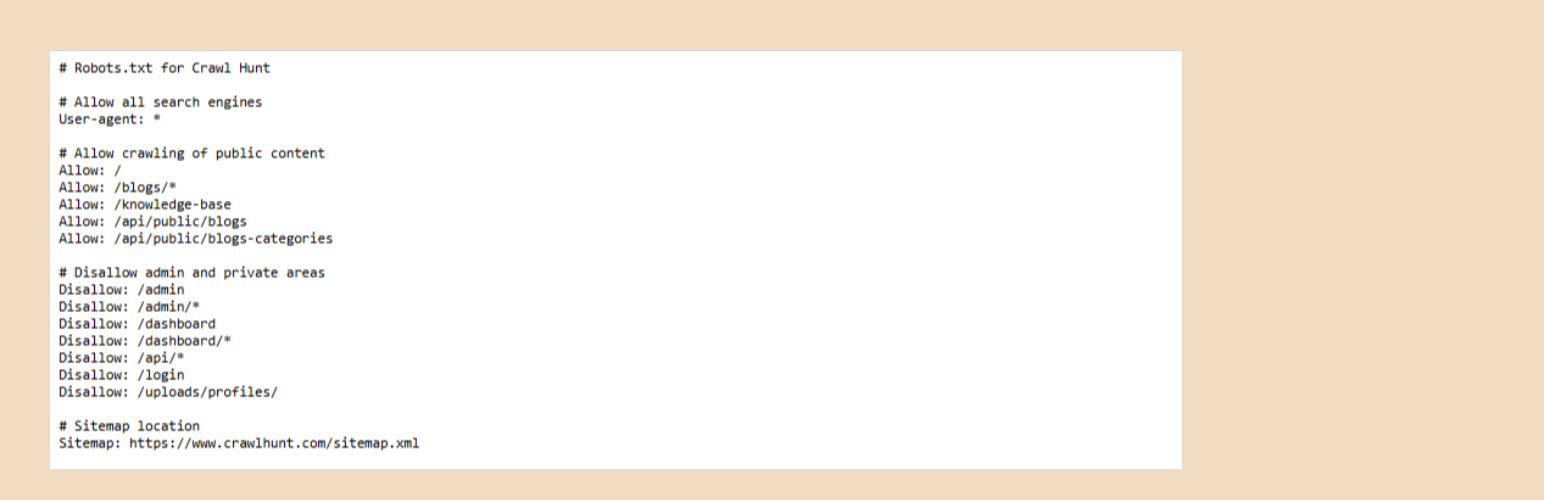
The robots.txt file gives instructions to search engine bots about which parts of your site they should or should not crawl. While it is useful for blocking unimportant pages (like admin or duplicate pages), incorrect settings can accidentally block valuable content. This can prevent important pages from being crawled and indexed. It is important to regularly review your robots.txt file to ensure it is not restricting access to key resources such as CSS or JavaScript files, which are necessary for proper page rendering.
Page Load Speed
Page speed is a critical factor for both user experience and search engine crawling. Faster websites allow bots to crawl more pages within a limited time, improving overall crawl efficiency. Slow-loading pages can reduce the number of pages crawled and may lead to incomplete indexing. In addition, users are more likely to leave slow websites, increasing bounce rates. Optimizing images, reducing unnecessary scripts, and using fast hosting can significantly improve page speed.
Mobile-Friendliness
With mobile-first indexing, search engines primarily use the mobile version of your website for crawling and indexing. If your site is not optimized for mobile devices, it can negatively impact both crawlability and indexability. A mobile-friendly website ensures that content is easily accessible, readable, and usable on smaller screens. Responsive design, fast loading on mobile, and proper formatting are essential for maintaining strong SEO performance.
Duplicate Content
Duplicate content occurs when the same or very similar content appears on multiple URLs. This creates confusion for search engines, as they struggle to decide which version should be indexed and ranked. As a result, your pages may compete with each other, weakening their SEO value. Managing duplicate content through proper redirects, canonical tags, or content updates is important to maintain clear indexing signals.
Canonical Tags
Canonical tags tell search engines which version of a page is the “main” or preferred version. This is especially useful when you have similar pages, such as product variations or filtered URLs. Proper use of canonical tags helps consolidate ranking signals and prevents duplicate content issues. However, incorrect implementation can lead search engines to ignore the wrong page, affecting your visibility in search results.
Meta Robots Tags
Meta robots tags are used to control how search engines interact with individual pages. For example, a “noindex” tag prevents a page from appearing in search results, while a “nofollow” tag tells bots not to follow links on that page. These tags are powerful tools, but if used incorrectly, they can block important pages from being indexed. Regular checks are necessary to ensure that key pages are not accidentally restricted.
Broken Links and Redirects
Broken links (404 errors) and long redirect chains can negatively impact both crawling and user experience. When bots encounter broken links, they may stop crawling that path, missing important pages. Redirect chains can slow down crawling and waste crawl budget. Fixing broken links and simplifying redirects ensures smoother navigation for both users and search engines.
Content Quality
Search engines aim to index and rank high-quality, valuable content. Pages with thin, outdated, or low-quality content may be ignored or removed from the index. Creating original, informative, and engaging content increases the chances of being indexed and ranked higher. Content quality also influences user behavior, such as time on page and engagement, which are important SEO signals.
Orphan Pages

Orphan pages are pages that do not have any internal links pointing to them. Since search engine bots rely on links to discover content, these pages are often missed during crawling. Even if they exist on your site, they may never get indexed. Identifying and linking orphan pages to relevant sections of your website helps improve their visibility and ensures they are included in search engine indexes.
Crawl Budget Management
Crawl budget refers to the number of pages a search engine bot will crawl on your site within a given time. If your site has too many low-value or duplicate pages, bots may waste time crawling them instead of focusing on important content. Optimizing crawl budget involves removing unnecessary pages, fixing errors, and prioritizing high-value content. This ensures efficient crawling and better indexing of important pages.
Server Performance and Errors
Server issues such as downtime, slow response times, or frequent errors (like 5xx errors) can prevent search engines from accessing your site. If bots repeatedly fail to access your pages, they may reduce crawl frequency or stop crawling altogether. A reliable hosting environment and proper server maintenance are essential for consistent crawling and indexing.
URL Structure
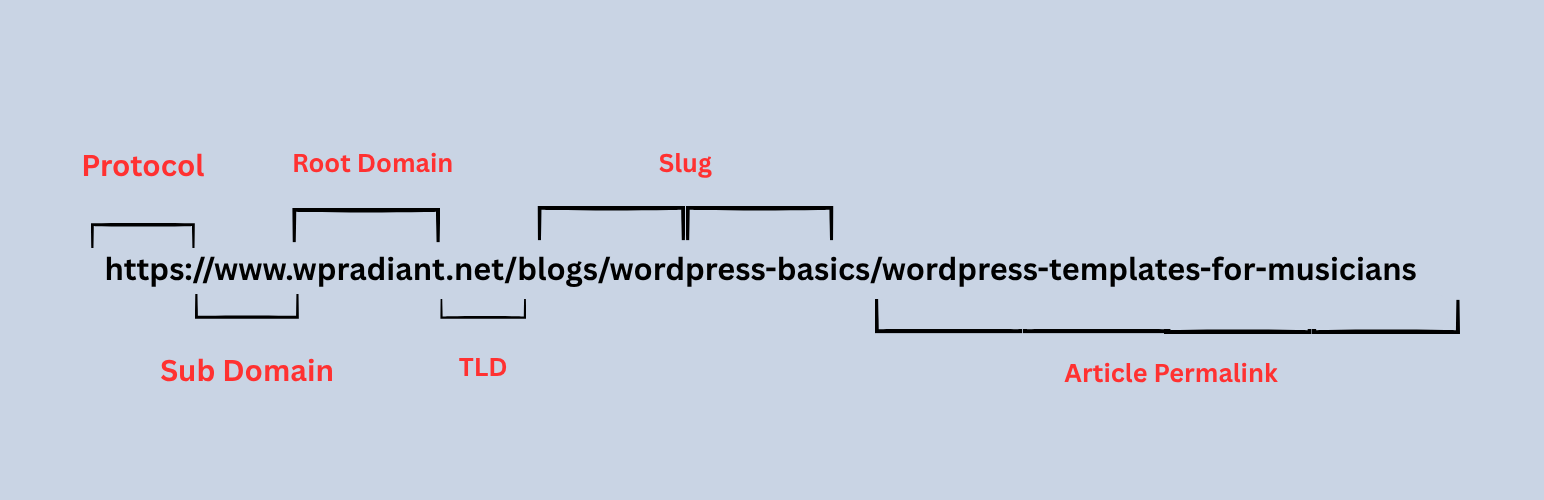
A clean and simple URL structure makes it easier for search engines to understand what a page is about. Descriptive URLs that include relevant keywords improve both crawlability and SEO. On the other hand, long, complex, or dynamically generated URLs can confuse bots and reduce indexing efficiency. Keeping URLs short, readable, and consistent helps improve overall website performance.
By carefully optimizing each of these factors, you can significantly enhance your website’s crawlability and indexability, leading to stronger search rankings, better visibility, and increased organic traffic over time.
Best Tool to Check Crawlability and Indexability
One of the best tools to check crawlability and indexability is Crawlhunt. It helps you quickly identify technical SEO issues that may stop search engines from properly crawling or indexing your website. With Crawlhunt, you can find broken links, redirect chains, orphan pages, and blocked resources that affect your site’s performance. Apart from this, it also provides detailed insights into site structure, internal linking, page speed issues, and duplicate content, helping you optimize your website more effectively. The tool is designed to give clear, actionable recommendations so you can fix problems without confusion and improve your overall SEO health. It also supports regular audits, making it easier to track improvements over time and maintain a strong technical foundation.
CrawlHunt Pricing Plans: CrawlHunt's pricing starts with the Basic plan, which is free forever. Users can unlock more advanced features through the Growth plan for $59/month, while agencies and enterprises can select the Scale plan priced at $149/month.
Want to know more about how it works? Read our blogs:
https://www.crawlhunt.com/blogs/technical-seo-audit
Final Thoughts
In conclusion, crawlability and indexability are very important for your website’s SEO success. If search engines cannot find your pages or store them in their index, your content will not appear in search results. This means you may lose valuable traffic and growth opportunities. By improving your website structure, fixing errors, and creating quality content, you can make it easier for search engines to crawl and index your pages.
Simple steps like using an XML sitemap, proper internal linking, and correct meta tags can make a big difference. Regularly checking your website for issues also helps maintain good performance. When you focus on crawlability and indexability, you build a strong foundation that helps your website rank better and attract more organic visitors over time.
Frequently Asked Questios (FAQs)
How can I improve crawlability and indexability?
You can improve them by creating an XML sitemap, fixing broken links, optimizing internal linking, using proper meta tags, improving site speed, and publishing high-quality content.
Does page speed affect crawlability and indexability?
Yes, faster websites are easier for search engine bots to crawl. Slow pages can reduce crawl efficiency and may impact how many pages get indexed.
Can a page be crawled but not indexed?
Yes, this is common. A page may be crawled but not indexed if it has low-quality content, duplicate information, or is blocked by meta tags or technical issues.
How often should I audit crawlability and indexability?
It is recommended to perform regular technical SEO audits, at least once a month or after major website updates, to ensure everything is working properly.