
Duplicate content is one of the most common SEO problems that can affect your website ranking, organic traffic, and search engine visibility. When the same or similar content appears on multiple URLs, Google becomes confused about which page should rank higher in search results. This can reduce your website authority and weaken your SEO strategy. Learning how to fix duplicate content is important for improving website performance, technical SEO, and user experience. With the right SEO optimization techniques like canonical tags, 301 redirects, URL management, and content optimization, you can improve indexing and boost search rankings. In this guide, you will learn advanced SEO strategies to fix duplicate content, improve crawl efficiency, increase organic traffic, and build a stronger search engine optimization foundation for long-term digital marketing success.
Deep Understanding of Duplicate Content Problems
Duplicate content is not always intentional. In most cases, it is created due to technical setups, CMS behavior, or scaling content without a proper SEO structure.
Common real-world examples include:
- Same product shown under multiple category URLs
- HTTP and HTTPS versions of the same page
- www and non-www versions of a domain
- Filtered or sorted URLs (e.g., price, size, color filters)
- Printer-friendly pages
- Session IDs and tracking parameters
- Blog posts republished on other platforms
Even slight variations in URLs can trigger duplication issues. Search engines may treat these pages as separate entities, even if the content is identical.
This is why learning to fix duplicate content is not optional; it is a core part of technical SEO and site architecture.
How Google Handles Duplicate Content?
Google does not usually “penalize” duplicate content directly. Instead, it applies filtering.
This means:
- Multiple pages exist in the index
- But only one version is selected to rank
- The rest are ignored or suppressed
The selection is based on:
- Authority of the page
- Internal Linking Strategy
- Backlink profile
- Content freshness
- Canonical signals
- User engagement signals
If your strongest page is not chosen, your rankings drop even if your content is high quality. That’s why it becomes critical to fix duplicate content using structured SEO methods instead of relying on Google’s automatic selection.
Step-by-Step Advanced SEO Strategy to Fix Duplicate Content
Duplicate content can silently damage your website rankings, crawl efficiency, and organic traffic. This advanced SEO strategy will help you identify, manage, and fix duplicate content issues to improve overall search engine performance.
1. Full Website Content Mapping (SEO Architecture Audit)
Before you start fixing duplicate content issues, you first need a complete understanding of your website structure. Many websites contain hidden duplication problems that are not visible without a detailed SEO audit. Search engines crawl every accessible URL, including category pages, tag pages, filtered URLs, archives, and dynamically generated pages. If you do not know how these pages are connected, you cannot properly manage duplication.
A full website content mapping process helps identify:
- Duplicate URLs
- Thin content pages
- Repeated metadata
- Similar content clusters
- Index bloat issues
This process usually includes analyzing:
- All indexable URLs
- Category and subcategory pages
- Product or service pages
- Blog archives and tags
- Pagination pages
- Parameter-based URLs
- Search result pages generated by CMS systems
SEO professionals use advanced tools such as:
- Screaming Frog SEO Spider
- Ahrefs Site Audit
- SEMrush Site Audit
- Google Search Console
- Crawlhunt
These tools crawl the website the same way search engines do and provide reports showing duplicate titles, duplicate meta descriptions, canonical issues, redirect chains, and near-duplicate pages.
For example, an eCommerce store may unknowingly generate hundreds of URLs through color filters, sorting options, or tracking parameters. Without a proper content map, these pages continue to dilute SEO authority.
This step is essential because you cannot effectively fix duplicate content unless you know where the duplication originates and how deeply it affects the site structure.
2. Strategic Canonicalization (Not Just Basic Tagging)
Canonical tags are one of the most important technical SEO tools for handling duplicate content. However, many websites implement them incorrectly or inconsistently. A canonical tag tells search engines which version of a page should be treated as the primary version for indexing and ranking purposes. Addressing Canonical Tag Issues is essential to ensure that search engines recognise the correct version of a page, helping consolidate ranking signals and prevent duplicate content issues.
The purpose of canonicalization is not to remove pages from the website but to consolidate ranking signals into one authoritative URL.
Best practices for canonical tags:
- Always point to the strongest and most complete page version
- Ensure canonicals are consistent across the site
- Avoid conflicting canonical instructions
- Never canonicalize unrelated pages
- Make sure internal links support canonical URLs
For example, if your website has:
- /seo-guide
- /seo-guide?ref=email
- /seo-guide?utm_campaign=ad
All versions should contain a canonical tag pointing to:
- /seo-guide
This tells Google:
These are alternate versions of the same content. The primary version is /seo-guide.
Without canonicalization, search engines may index multiple versions of the same page and divide ranking signals between them. This weakens keyword authority and reduces SEO performance.
Another important aspect is self-referencing canonicals. Even the main version of the page should contain a canonical tag pointing to itself. This reinforces indexing consistency.
Proper canonicalization helps websites fix duplicate content while preserving user experience and content accessibility.
3. Intelligent URL Consolidation Strategy
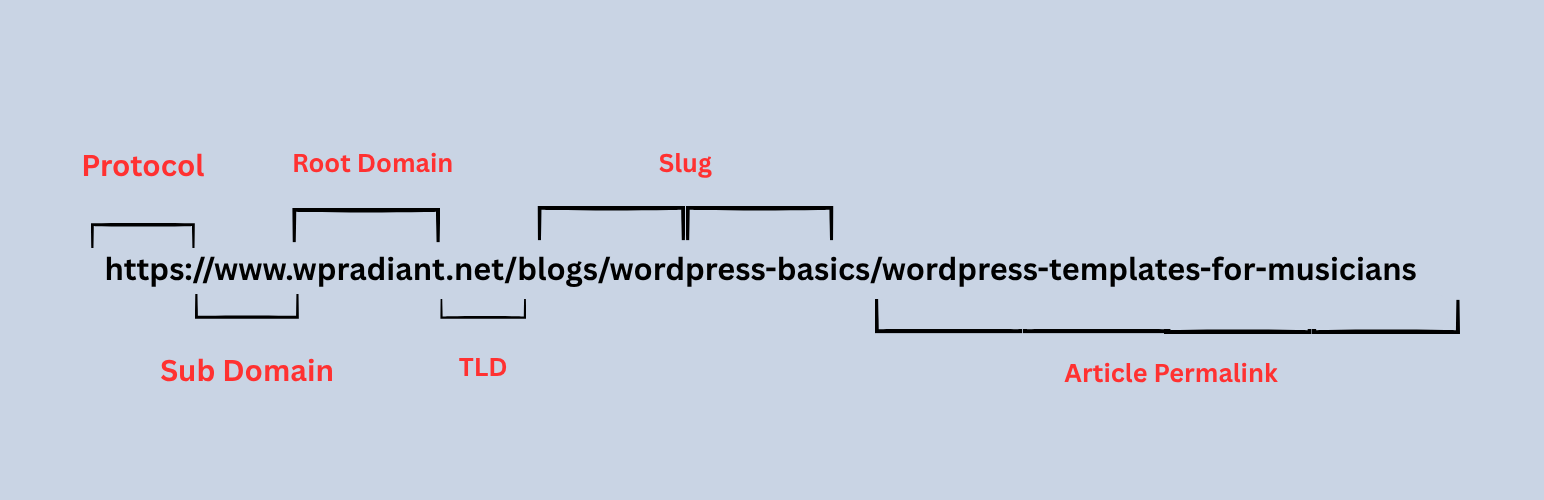
Many websites unintentionally create URL fragmentation. This happens when the same content becomes accessible through multiple URL formats. Search engines may treat each variation as a separate page, even though users see identical content.
Common URL duplication issues include:
- HTTP vs HTTPS versions
- www vs non-www versions
- Trailing slash inconsistencies
- Uppercase and lowercase URLs
- Parameter-generated URLs
Example:
To users, these may appear identical. But for search engines, they can represent three separate pages unless properly consolidated.
A strong URL consolidation strategy includes:
- Choosing one preferred domain version
- Redirecting all HTTP pages to HTTPS
- Maintaining consistent trailing slash structure
- Preventing parameter indexing where unnecessary
- Using canonical tags for dynamic URLs
301 redirects are commonly used to enforce URL consistency. This ensures that all ranking signals flow to one authoritative version.
Proper URL normalization strengthens domain authority and helps search engines understand your site structure more clearly. This is a foundational step when trying to fix duplicate content at the technical SEO level.
4. Content Merging for Topical Authority
One of the biggest SEO mistakes websites make is creating multiple weak pages targeting similar keywords. This creates keyword cannibalization, where pages compete against each other instead of building collective authority.
Instead of maintaining separate low-performing pages, combine them into one comprehensive guide.
Example:
Instead of having:
- SEO tips for beginners
- SEO tips for bloggers
- SEO tips for small businesses
- SEO tips for 2026
Merge them into:
“Complete SEO Tips Guide for Beginners and Businesses”
- Benefits of content merging:
- Stronger keyword relevance
- Improved topical authority
- Better user engagement
- Reduced duplicate content risks
- Increased backlink concentration
Google prefers in-depth resources that completely satisfy search intent. Comprehensive content often performs better than fragmented articles because it provides greater value to users.
When you merge related content strategically, you naturally fix duplicate content while also improving overall SEO rankings.
5. Advanced 301 Redirect Strategy

301 redirects are one of the strongest methods for consolidating duplicate pages and preserving SEO authority. A 301 redirect permanently moves users and search engines from one URL to another.
This is especially useful for:
- Old blog posts
- Deleted pages
- Duplicate product pages
- Site migrations
- URL restructuring projects
Important redirect rules:
- Redirect only to highly relevant pages
- Avoid redirect chains
- Monitor redirect loops
- Update internal links after redirects
For example:
/seo-guide-2024 → /complete-seo-guide
This transfers link equity, authority, and traffic to the updated page instead of losing SEO value.
Redirects also improve user experience by preventing visitors from landing on outdated or broken pages.
An effective redirect strategy is essential if you want to permanently fix duplicate content while maintaining search rankings.
6. Handling Faceted Navigation in E-Commerce SEO
Faceted navigation is one of the largest causes of duplicate content on eCommerce websites. Filters such as color, size, price, and sorting options generate countless URL combinations.
Examples:
?color=black
?size=large
?sort=price-low
If search engines index all these URLs, the result is massive duplication and crawl inefficiency.
SEO solutions include:
- Canonicalizing filtered URLs to main category pages
- Using noindex tags for low-value filter pages
- Limiting crawl access through robots.txt
- Designing SEO-friendly category structures
Without proper control, large eCommerce stores can generate millions of duplicate pages automatically.
Managing faceted navigation correctly is one of the most important technical SEO tasks to fix duplicate content in online stores.
7. Internal Linking Optimization (SEO Signal Control)
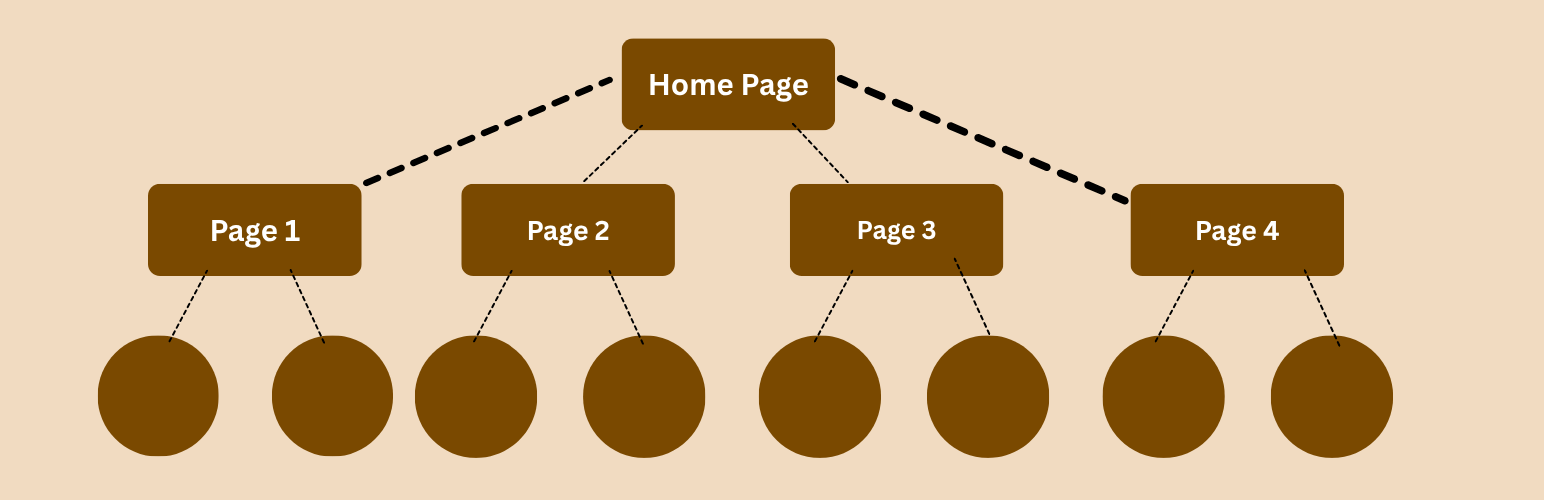
Internal linking is more than navigation it is an SEO signal system. Search engines use internal links to determine page importance and site hierarchy.
If internal links point to duplicate or parameter-based URLs, they reinforce duplication problems.
Best practices:
- Link only to canonical URLs
- Use descriptive anchor text
- Prioritize important pages through internal linking
- Avoid unnecessary duplicate links
For example, if some pages link to:
- /seo-guide
- and others link to:
- /seo-guide?source=facebook
Search engines receive mixed signals about which version is preferred.
Consistent internal linking strengthens indexing clarity and supports efforts to fix duplicate content across the website.
8. Content Differentiation Strategy (Avoid Near-Duplicates)
Near-duplicate content is often harder to identify than exact duplication. These pages may contain slightly different wording but still provide nearly identical value.
Examples include:
- City-based landing pages with only location names changed
- Product pages with copied descriptions
- Rewritten blog posts targeting the same intent
To make content truly unique:
- Add unique statistics and examples
- Include case studies and user scenarios
- Customize content for different audiences
- Avoid template-heavy structures
Search engines increasingly prioritize originality and user value. Thin variations of the same content are less likely to rank well.
Creating genuinely unique content is one of the most sustainable ways to fix duplicate content without depending entirely on technical SEO solutions.
9. Index Management and Crawl Optimization
Search engines allocate a limited crawl budget to every website. Duplicate pages waste this budget by forcing crawlers to revisit low-value URLs repeatedly.
Optimization strategies:
- Remove unnecessary pages from the index
- Use noindex for thin or duplicate pages
- Submit only canonical URLs in XML sitemaps
- Clean up outdated or low-value pages
A clean index structure helps search engines focus on your most important content.
For large websites, crawl optimization is critical because excessive duplication can prevent new content from being discovered quickly.
Proper crawl management is an advanced but essential method to fix duplicate content at scale.
10. Continuous SEO Monitoring System
Duplicate content issues constantly evolve as websites grow. New blog posts, plugins, filters, CMS updates, and redesigns can create fresh duplication problems without warning.
Ongoing monitoring should include:
- Monthly technical SEO audits
- Canonical tag validation
- Redirect monitoring
- Search Console indexing reports
- Duplicate metadata checks
- Crawl budget analysis
SEO is not a one-time task. Maintaining a clean and optimized site structure requires continuous monitoring and updates.
Consistency is the key to permanently fix duplicate content and maintain strong long-term SEO performance.
Conclusion
Duplicate content can seriously affect your website SEO, search engine rankings, and organic traffic growth if it is not managed properly. Search engines like Google prefer unique, high-quality, and well-structured content that gives users the best experience. By using smart SEO strategies like canonical tags, 301 redirects, URL optimization, content merging, and technical SEO audits, you can improve website indexing and strengthen your online visibility. It is also important to regularly monitor your website using SEO tools and fix duplicate pages before they impact performance. A clean website structure helps search engines crawl your pages more efficiently and improves keyword rankings. When you focus on content optimization, search engine optimization, and user experience together, your website becomes more authoritative, gains better traffic, and achieves long-term digital marketing success in competitive search results.
Frequently Asked Questions (FAQs)
What is duplicate content in SEO?
Duplicate content refers to identical or very similar content appearing on multiple URLs within the same website or across different websites. This can make it difficult for search engines to determine which page should rank in search results.
How do canonical tags help manage duplicate content?
Canonical tags tell search engines which version of a page should be treated as the primary URL for indexing and ranking. They help consolidate ranking signals and are one of the most effective ways to Fix Duplicate Content issues without removing pages.
Can duplicate content hurt my website rankings?
While Google typically does not issue a direct penalty for duplicate content, it may filter similar pages and choose only one version to rank. This can reduce visibility, split link equity, and limit organic traffic growth.
When should I use a 301 redirect instead of a canonical tag?
A 301 redirect is best when a duplicate page is no longer needed and should permanently point users and search engines to a new URL. Canonical tags are more suitable when multiple page versions need to remain accessible while still helping Fix Duplicate Content problems.
How often should I check my website for duplicate content issues?
Regular SEO audits should be performed at least once a month, especially for large or frequently updated websites. Consistent monitoring helps identify new duplication issues early and maintains strong search engine performance.