Every website owner wants search engines like Google to find their pages quickly and show them in search results. But when a website grows, it becomes hard for search engine bots to discover every page on their own. This is where an XML sitemap becomes important. It acts like a simple map that guides crawlers to your important pages, blog posts, and product listings.
By using strong SEO strategies and following XML sitemap best practices, you can improve crawl efficiency, indexing speed, and overall search visibility. A well-structured sitemap supports technical SEO, helps with organic traffic growth, and improves website ranking performance. It also ensures that no valuable page is missed during crawling. In simple terms, an XML sitemap is like a helpful guide that tells search engines exactly where to go on your website for better SEO results.
What Is an XML Sitemap?
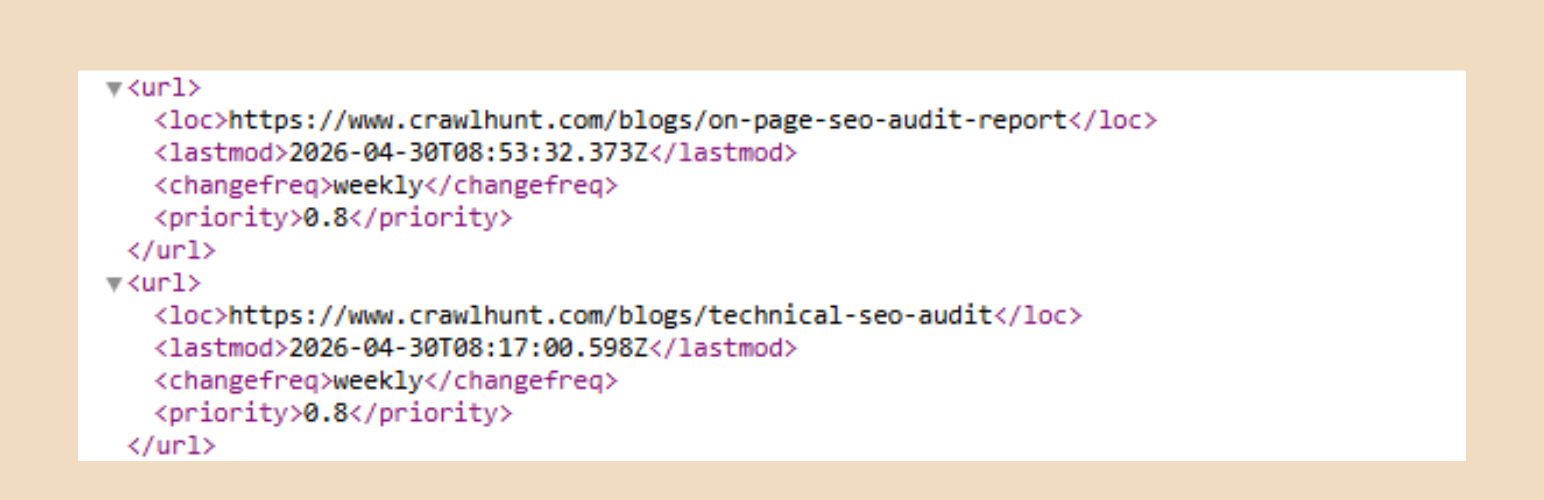
An XML sitemap is a special file that helps search engines like Google understand the structure of a website and discover important pages quickly. It contains a list of URLs along with details such as the last update date, page priority, and change frequency. XML sitemaps improve website crawling and indexing, especially for large websites, ecommerce stores, blogs, and websites with many pages.
They act like a roadmap for search engine bots, helping them find new or updated content faster. XML sitemaps are an important part of technical SEO because they improve crawl efficiency and support better search visibility. Website owners can submit their sitemap through Google Search Console to help search engines index pages more effectively and improve overall organic search performance.
How XML Sitemaps Work?
XML sitemaps work by providing search engines like Google with a structured list of important pages on a website. When a sitemap is submitted through Google Search Console, search engine bots read the file to discover URLs that need crawling and indexing. The sitemap also includes useful details such as the last modified date, update frequency, and page importance. This helps search engines prioritize content and crawl websites more efficiently. XML sitemaps are especially useful for large websites, ecommerce stores, and blogs with frequent updates because they help new pages get indexed faster. They also improve technical SEO by reducing crawl waste and helping search engines understand website structure better. Proper sitemap optimization can increase search visibility, improve indexing speed, and support higher organic traffic growth over time.
Types of XML Sitemaps
XML sitemaps are not limited to a single format. Different types of sitemaps are used depending on the content structure, website size, and SEO goals. Each type helps search engines like Google understand and index specific kinds of content more efficiently. Using the right sitemap type improves crawl efficiency, boosts indexing speed, and strengthens overall technical SEO performance.
1. Standard XML Sitemap
A standard XML sitemap is the most common and essential type. It lists all important web pages such as homepages, service pages, blog posts, category pages, and landing pages.
This sitemap acts as the primary roadmap for search engine crawlers. It ensures that important URLs are discovered and indexed properly. Websites with clear structure and regularly updated content benefit the most from this sitemap type. It is especially useful for blogs, business websites, and small to medium-sized websites.
A properly optimized standard sitemap improves crawl prioritization and ensures search engines focus on high-value pages instead of missing important content during crawling.
2. Image Sitemap
An image sitemap is designed specifically to help search engines discover and index images on your website. While images can be found through normal crawling, a dedicated image sitemap improves visibility in Google Images search results.
It includes image-specific details such as:
- Image URL
- Title or caption
- License information
- Image context (page it belongs to)
This sitemap is extremely useful for ecommerce websites, photographers, bloggers, and portfolio sites. It improves visual SEO and increases organic traffic from image-based searches. Better image indexing can also enhance product visibility and engagement.
3. Video Sitemap
A video sitemap helps search engines understand and index video content more effectively. It provides metadata about each video, which improves visibility in video search results and rich snippets.
It typically includes:
- Video title
- Description
- Thumbnail URL
- Duration
- Upload date
- Video location (URL)
This type of sitemap is important for YouTube-like platforms, online learning websites, marketing pages, and content creators. It improves video discovery and increases chances of appearing in video-rich search results. Video SEO is becoming increasingly important in modern search optimization strategies.
4. News Sitemap
A news sitemap is used by websites that publish time-sensitive news content. It helps search engines quickly discover newly published articles and include them in Google News results.
It includes:
- Article title
- Publication date
- Publisher information
- Keywords or topics
This sitemap type is especially useful for news portals, media agencies, and blogs that publish trending or breaking news content. It ensures faster indexing and improves visibility in news search sections.
For publishers, a well-structured news sitemap improves content freshness signals and increases chances of appearing in top news rankings.
5. Sitemap Index File
A sitemap index file is not a sitemap itself but a container that holds multiple sitemaps. It is used for large websites that cannot fit all URLs into a single sitemap file.
Instead of one large file, websites can organize content into multiple sitemaps such as:
- Product sitemap
- Blog sitemap
- Category sitemap
- Image sitemap
- Video sitemap
This improves scalability and makes it easier for search engines to crawl large websites efficiently. It also helps website owners manage and monitor different sections separately.
Large ecommerce platforms and enterprise websites heavily rely on sitemap index files for better SEO management.
6. Mobile Sitemap (Legacy Type)
A mobile sitemap was previously used for mobile-specific pages when websites had separate mobile URLs. However, with responsive design becoming standard, this type is rarely used today.
Most modern websites no longer need separate mobile sitemaps because search engines like Google now prioritize mobile-first indexing. Instead, responsive web design ensures that the same URL works across all devices.
7. HTML Sitemap (User-Facing)
Although not an XML format, HTML sitemaps are often discussed alongside XML sitemaps. Unlike XML sitemaps designed for search engines, HTML sitemaps are created for users.
They help visitors navigate the website easily and find important pages quickly. HTML sitemaps improve user experience and internal linking structure, which indirectly supports SEO.
They are usually placed in the footer of websites and include links to major pages like categories, services, and important articles.
8. Ecommerce Product Sitemap
Ecommerce websites often use specialized product sitemaps to manage thousands of product URLs efficiently. These sitemaps include:
- Product pages
- Category pages
- Brand pages
- Variant URLs (if necessary)
This sitemap type helps search engines discover product listings faster and improves indexing for online stores. It is essential for large ecommerce platforms where new products are added frequently.
Proper product sitemap management improves crawl efficiency and ensures high-value products are indexed quickly.
9. Media Sitemap (Combined Type)
A media sitemap combines images and videos into a single structured format. It is used by content-heavy websites that publish multimedia content regularly.
It helps search engines understand how different media assets are connected to pages. This improves indexing quality and enhances rich media search visibility.
XML Sitemap Best Practices for Better SEO
An XML sitemap is a powerful SEO tool that helps search engines like Google discover, crawl, and index your website pages more efficiently. Following proper XML sitemap best practices ensures better visibility, faster indexing, and improved organic search performance.
Include Only Important and Indexable URLs
One of the most essential XML sitemap best practices is making sure your sitemap contains only important, high-quality, and indexable URLs. Search engines like Google use XML sitemaps to understand which pages on your website deserve crawling and indexing. If your sitemap contains duplicate pages, thin content, broken URLs, parameter-based links, or noindex pages, it can waste crawl budget and reduce overall SEO performance. Search engine bots may spend time crawling low-value pages instead of focusing on your important content.
Your sitemap should include pages such as service pages, blog posts, category pages, product pages, cornerstone articles, and evergreen guides that provide real value to users. Avoid adding staging pages, internal search pages, thank-you pages, or archived content that does not contribute to organic visibility. Keeping your sitemap clean helps search engines prioritize the pages that matter most for rankings.
Large websites especially benefit from this practice because search engines have limited crawl resources for each website. If crawlers spend time on unnecessary pages, important pages may not get indexed quickly. SEO auditing tools like Crawlhunt help website owners identify low-value pages, crawl waste, indexing issues, and duplicate content problems that may negatively affect search performance.
Keep URLs Canonical and Clean
Canonical URLs play a major role in technical SEO and sitemap optimization. Every URL listed in your XML sitemap should be the preferred canonical version of the page. This tells search engines exactly which URL should appear in search results and receive ranking signals. Many websites accidentally create multiple versions of the same page through parameters, filters, session IDs, or tracking codes. When these duplicate versions appear inside a sitemap, search engines may become confused about which page to index.
For example, if your website has both HTTP and HTTPS versions or WWW and non-WWW versions, only the canonical version should appear in the sitemap. Similarly, ecommerce stores should avoid including filtered URLs, sorting URLs, or tracking parameter pages. Clean URLs improve crawl efficiency, reduce duplicate content issues, and strengthen website authority.
Canonical sitemap optimization becomes even more important for ecommerce websites because category filters and faceted navigation can generate thousands of duplicate URLs automatically. Search engines may waste valuable crawl budget on these unnecessary pages. Maintaining clean sitemap architecture ensures that bots focus only on important URLs that deserve ranking attention.
Update Your XML Sitemap Frequently
Search engines prefer websites that maintain fresh and updated content. One of the strongest XML sitemap best practices is updating your sitemap regularly whenever new content is published or old content changes. Updated sitemaps help search engines discover fresh pages faster and improve indexing speed. This is especially useful for blogs, news websites, ecommerce stores, and websites that frequently publish content.
When a sitemap is outdated, search engines may continue crawling deleted pages or miss newly published URLs entirely. This can slow down indexing and reduce organic visibility. Dynamic sitemap generation solves this problem by automatically updating the sitemap whenever content changes occur on the website.
Fresh sitemap updates also improve crawl prioritization because search engines use sitemap information to understand which pages were recently modified. Websites that publish content consistently often experience faster indexing when their sitemap reflects changes immediately. Monitoring sitemap freshness using SEO tools like Crawlhunt helps website owners ensure search engines always receive accurate URL information.
Use Accurate Last Modified Dates
The “lastmod” tag in an XML sitemap tells search engines when a page was last updated. This helps search engine bots determine whether a page should be recrawled. However, many websites misuse this feature by automatically updating timestamps even when no meaningful changes were made. False update dates can reduce search engine trust and make crawling less efficient.
Accurate last modified dates help search engines identify genuinely updated content. For example, if you revise an article, add new statistics, improve internal linking, or refresh product information, updating the lastmod date is useful. But changing timestamps without meaningful edits may create confusion and waste crawl resources.
Proper use of last modified tags improves crawl prioritization and helps updated pages get reindexed faster. This practice is especially important for time-sensitive content such as news articles, product listings, trending blog posts, and seasonal landing pages. Maintaining accurate timestamps improves technical SEO and strengthens communication between your website and search engine crawlers.
Avoid Redirect URLs in the Sitemap
Your XML sitemap should never include redirected URLs because they create unnecessary crawling steps for search engine bots. Search engines expect sitemap URLs to return a direct 200 OK response. If crawlers encounter 301 redirects, 302 redirects, or redirect chains inside the sitemap, it reduces crawl efficiency and wastes crawl budget.
Redirect issues often happen after website migrations, URL restructuring, or content updates. Many websites forget to remove outdated URLs from their sitemap after redirecting pages to new destinations. Over time, this creates a poor sitemap structure filled with unnecessary redirects.
Removing redirected URLs helps search engines crawl your website faster and focus on active pages. Clean sitemap architecture also improves technical SEO performance and indexing quality. SEO auditing platforms like Crawlhunt can detect redirect chains, broken links, orphan pages, and sitemap issues that may impact search visibility.
Remove Noindex Pages from XML Sitemaps
A common SEO mistake is including noindex pages inside XML sitemaps. A sitemap tells search engines that a page should be crawled and potentially indexed, while a noindex directive tells them not to include the page in search results. This creates conflicting instructions that can confuse search engine bots and reduce crawl efficiency.
Pages such as login pages, checkout pages, thank-you pages, duplicate archives, filtered URLs, and testing pages should not appear inside your sitemap if they are marked as noindex. Only pages intended for search visibility should be included.
Removing noindex URLs helps search engines focus entirely on valuable content. This improves crawl budget allocation and strengthens technical SEO performance. Clean indexing signals also improve overall site quality and reduce unnecessary crawling activity.
Optimize Sitemap Size and Structure
Search engines have limitations on sitemap size, so large websites must organize their sitemap structure carefully. According to Google guidelines, each sitemap should contain no more than 50,000 URLs and remain under 50MB in size. Websites exceeding these limits should divide content into multiple sitemap files and connect them using a sitemap index file.
Segmented sitemap structures improve crawl organization and make monitoring easier. For example, websites can create separate sitemaps for:
- Blog posts
- Products
- Categories
- Images
- Videos
- Landing pages
This structure helps search engines understand content categories more effectively and improves crawl management for large websites. Ecommerce stores and enterprise websites especially benefit from organized sitemap segmentation because they often contain thousands of pages.
Submit XML Sitemap to Google Search Console
Submitting your sitemap through Google Search Console is an important SEO step because it allows search engines to discover your sitemap faster. It also provides valuable indexing and crawl reports that help website owners monitor sitemap health.
Inside Google Search Console, you can track:
- Indexed URLs
- Excluded pages
- Crawl errors
- Redirect problems
- Sitemap processing status
These insights help identify technical SEO issues before they damage rankings. Regular sitemap monitoring improves indexing performance and ensures search engines can properly access important pages.
Search Console also helps detect issues such as blocked pages, duplicate URLs, and indexing anomalies that may reduce search visibility. Combining Search Console insights with technical audit platforms like Crawlhunt creates a stronger SEO monitoring process.
Learning how to Fix Crawl Errors through Search Console reports and technical audit tools helps ensure search engines can efficiently crawl and index important pages, improving overall website visibility and performance.
Add Sitemap URL in Robots.txt
Including your sitemap URL inside the robots.txt file helps search engine bots locate it quickly. Although many search engines can discover sitemaps automatically, adding the sitemap reference improves accessibility and crawl efficiency.
A robots.txt file acts as a guide for crawlers by explaining which sections of the website they can or cannot access. Adding the sitemap URL gives search engines a direct path to your most important URLs and improves content discovery.
This practice becomes especially useful for large websites with multiple sitemap files because it creates a centralized reference point for all sitemap resources. Proper robots.txt optimization strengthens technical SEO and supports faster indexing.
Focus on High-Quality Content Pages
Search engines prioritize websites that provide valuable, trustworthy, and user-focused content. Your sitemap should highlight pages that contribute real SEO value instead of filling it with low-quality or duplicate URLs.
High-quality pages typically include:
- Long-form guides
- Pillar content
- Evergreen blog posts
- Product pages
- Service pages
- Conversion-focused landing pages
Including only valuable pages improves crawl prioritization and helps search engines understand your website’s authority. Modern SEO strategies focus heavily on content quality, user intent, semantic relevance, and topical authority. XML sitemaps support these goals by guiding search engines toward the most useful pages on your website.
Use Dedicated Image and Video Sitemaps
Visual content continues to shape modern SEO strategies, making image and video optimization more important than ever. An AI Image Alt Text Generator helps create accurate, descriptive alt text that improves image accessibility and enables search engines to better understand visual content. Combined with dedicated image and video sitemaps, AI-generated alt text enhances media discoverability, supports efficient indexing, and can improve visibility in image search results, helping websites attract more organic traffic.
Image sitemaps help index:
- Product photos
- Infographics
- Blog visuals
- Portfolio images
Video sitemaps include important metadata such as:
- Video duration
- Thumbnail URL
- Description
- Category
This information helps search engines understand multimedia content better. Ecommerce stores, publishers, bloggers, and educational platforms can gain significant organic traffic through optimized image and video search visibility.
Monitor Sitemap Health Regularly
XML sitemap optimization is not a one-time task. Websites constantly change as new content gets published, old pages are removed, and technical updates occur. Regular sitemap audits are necessary to maintain healthy crawling and indexing performance.
Monitoring sitemap health helps identify:
- Broken URLs
- Redirect chains
- Crawl errors
- Duplicate pages
- Noindex conflicts
- Orphan pages
Ignoring these issues can reduce crawl efficiency and weaken technical SEO performance over time. Regular SEO audits ensure that search engines can efficiently access and index important content. Technical audit platforms like Crawlhunt help website owners maintain strong sitemap health, improve crawl optimization, and strengthen long-term organic search visibility.
Pricing: CrawlHunt offers a free entry-level plan and two premium subscriptions. The Basic plan is available at no cost, the Growth plan is priced at $59/month, and the Scale plan costs $149/month, making it suitable for larger businesses and agencies.
Conclusion
In conclusion, an XML sitemap is one of the most important parts of technical SEO that helps websites improve visibility on search engines like Google. It guides search engine bots to find, crawl, and index important pages faster and more efficiently. By following proper xml sitemap best practices, you can improve crawl efficiency, fix indexing issues, and boost organic traffic growth.
A clean and updated sitemap ensures that only valuable pages are included, which supports better search rankings and stronger SEO performance. It also helps with faster indexing of new content, which is very important for blogs, ecommerce stores, and business websites. When combined with strong SEO strategies, a well-optimized XML sitemap becomes a powerful tool for improving overall website performance, increasing search visibility, and achieving long-term success in organic search results.
Frequently Asked Questions (FAQs)
How often should I update my XML sitemap?
You should update your XML sitemap whenever you add, remove, or update important pages on your website. Websites that publish content frequently should use dynamic sitemaps to keep updates automatic and improve indexing speed.
What pages should be included in an XML sitemap?
You should include only high-quality and indexable pages such as blog posts, product pages, service pages, category pages, and landing pages. Avoid including noindex pages, duplicate URLs, redirected pages, and thin content pages.
Can XML sitemaps improve Google rankings?
An XML sitemap does not directly improve rankings, but it helps search engines crawl and index your pages more efficiently. Better indexing can lead to improved visibility and higher organic traffic over time.
What are common XML sitemap mistakes to avoid?
Common mistakes include adding duplicate URLs, redirect pages, noindex pages, broken links, and low-quality content. These issues can waste crawl budget and reduce SEO performance.