Building a strong SEO strategy is no longer only about creating quality content or targeting the right keywords. Search engines also evaluate how your website connects with other trusted websites across the internet. This is where External Link Analysis becomes an essential part of website optimisation. It helps you understand the quality, relevance, and authority of the websites linking to your pages while identifying harmful backlinks that may affect your rankings.
By regularly reviewing your backlink profile, you can improve domain authority, increase organic traffic, and strengthen your overall search engine performance. Whether you manage a business website, blog, or eCommerce store, learning External Link Analysis provides valuable insights for better SEO decisions. In this guide, you'll learn how external links work, why they matter, the best analysis techniques, useful tools, and proven strategies to improve your website's visibility in search results. You'll also see how platforms like Crawlhunt can simplify backlink monitoring and technical SEO audits.
What Is External Link Analysis?
External Link Analysis is the process of examining all backlinks that point to your website from other domains. It helps website owners understand the quality, relevance, authority, and trustworthiness of incoming links.
Unlike internal links, which connect pages within the same website, external links come from entirely different domains. Search engines use these links as signals of trust and authority.
A proper External Link Analysis typically includes:
- Evaluating backlink quality
- Checking referring domains
- Identifying toxic or spam links
- Monitoring anchor text distribution
- Analysing follow and nofollow links
- Measuring domain authority
- Reviewing link relevance
- Tracking lost and newly acquired backlinks
The goal is to maintain a healthy backlink profile that supports long-term SEO growth.
Common Problems Found During External Link Analysis
Even websites with high-quality content can develop backlink issues over time. Some problems occur naturally as websites change, while others result from outdated SEO practices or spam attacks. Identifying these issues early helps protect your rankings and maintain a healthy backlink profile. Below are some of the most common problems discovered during backlink audits and how you can address them.
Too Many Low-Quality Backlinks
One of the most common issues is having a large number of backlinks from low-quality or spam websites. These links often come from automated link-building tools, link farms, poor-quality directories, or irrelevant websites. While they may increase the total number of backlinks, they rarely provide SEO value and can sometimes damage your website's credibility.
To solve this problem, review the quality of each referring domain rather than focusing only on backlink quantity. Prioritise earning links from trusted and relevant websites within your industry. If you identify harmful backlinks, contact the website owner to request removal or use Google's Disavow Tool after careful evaluation.
Over-Optimised Anchor Text
Anchor text should appear natural. If too many backlinks use the exact same keyword, search engines may interpret this as an attempt to manipulate rankings.
For example, if every backlink uses the phrase "best SEO services," it creates an unnatural pattern. Instead, aim for a balanced mix of brand names, URLs, generic phrases, partial keyword matches, and descriptive anchor text.
A diverse anchor text profile improves credibility and reduces the risk of algorithmic penalties.
Broken Backlinks
Broken backlinks occur when external websites link to pages that no longer exist on your website. Visitors who click these links encounter 404 errors, creating a poor user experience and causing you to lose valuable link equity. Poor crawlability and indexability can prevent search engines from properly recognising the value passed by your backlinks, even if the links themselves are high quality.
Regularly monitor your website for broken backlinks. If an important page has been moved or renamed, implement a 301 redirect to the most relevant page. This preserves much of the SEO value passed by the backlink and ensures visitors reach useful content.
Irrelevant Backlinks
Not every backlink contributes positively to your SEO. Links from unrelated industries often provide little value because they lack contextual relevance.
For example, a backlink from a travel blog to a cybersecurity website is unlikely to strengthen topical authority. Search engines increasingly prioritise links that come from websites covering similar subjects.
Focus your link-building efforts on websites that share your niche, target audience, or industry expertise.
Negative SEO Attacks
Although uncommon, some websites experience negative SEO attacks where thousands of spam backlinks are intentionally created to harm rankings.
Signs of a possible negative SEO attack include:
- A sudden spike in backlinks.
- Hundreds of links from unrelated websites.
- Large numbers of foreign-language domains.
- Links from gambling, adult, or malware websites.
- Rapid changes in anchor text.
Regular backlink monitoring allows you to detect unusual patterns early and take appropriate action before they affect your rankings.
Best Tools for External Link Analysis
Using the right SEO tools makes backlink analysis faster, more accurate, and easier to manage. Each tool offers unique features that help monitor backlinks, identify toxic links, analyse competitors, and discover new opportunities.
Crawlhunt
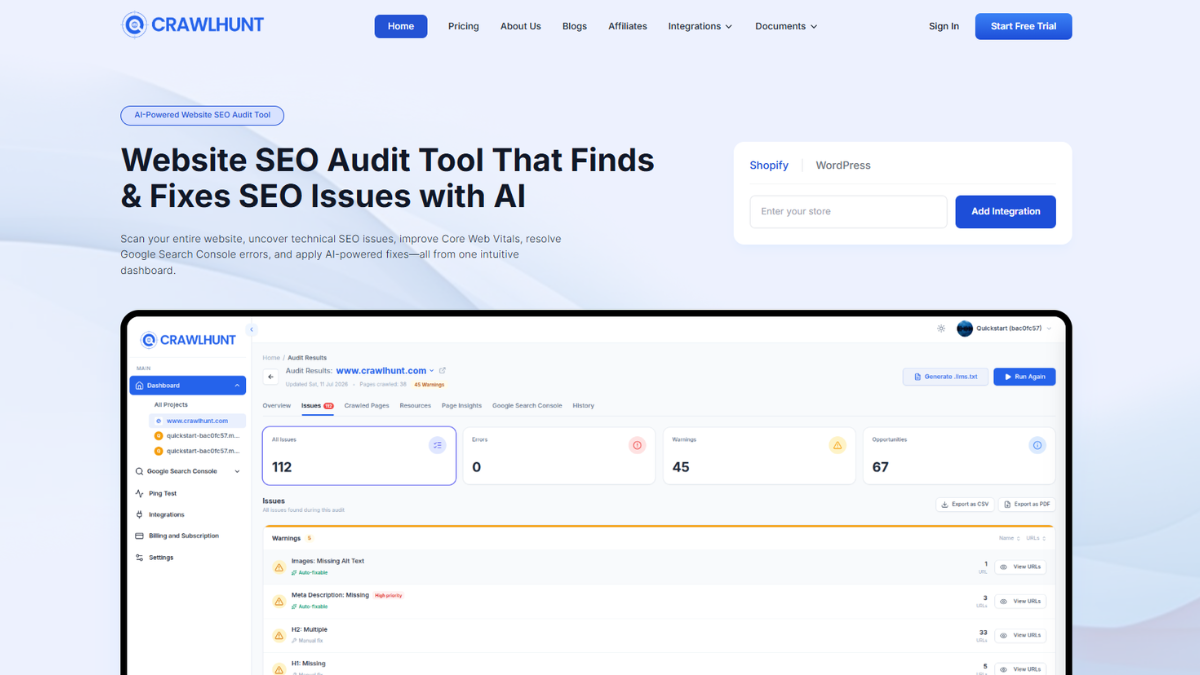
Alongside technical SEO auditing, Crawlhunt helps website owners monitor crawlability issues that may indirectly impact backlink performance. It enables you to identify indexing problems, broken pages, redirect issues, and technical errors while supporting a healthier website structure. Running a regular technical SEO audit alongside your backlink review helps catch crawl errors and indexing issues that could be preventing your link equity from being fully utilised. Combining backlink monitoring with regular technical SEO audits helps ensure that valuable backlinks continue passing authority to the correct pages.
Pricing
CrawlHunt offers flexible pricing plans to suit different SEO needs. The Basic plan is available for free forever, while the Growth plan costs $59 per month. For businesses requiring advanced, enterprise-level SEO management, the Scale plan is available at $149 per month.
Google Search Console
Google Search Console is one of the best free tools available for monitoring backlinks. Since the data comes directly from Google, it provides reliable information about the websites linking to your pages.
Key features include:
- View your top linked pages.
- Identify your top referring websites.
- Export backlink data.
- Monitor internal links.
- Track indexing and crawl issues.
While it does not provide advanced authority metrics, it is an excellent starting point for backlink analysis.
Ahrefs

Ahrefs is one of the industry's most comprehensive backlink analysis platforms. It maintains one of the largest backlink databases and provides detailed insights into link quality and competitor strategies.
With Ahrefs, you can:
- Analyse referring domains.
- Monitor new and lost backlinks.
- Identify broken backlinks.
- Review anchor text.
- Compare competitors' backlink profiles.
- Measure backlink growth.
It is particularly useful for businesses focused on long-term SEO growth. For website owners comparing platforms, a CrawlHunt vs Ahrefs breakdown can help clarify which tool better suits backlink monitoring versus full-scale technical SEO auditing.
Semrush
Semrush offers an advanced Backlink Analytics and Backlink Audit toolkit that helps website owners evaluate backlink quality and detect potentially harmful links.
Its features include:
- Toxic backlink detection.
- Authority Score measurement.
- Competitor backlink analysis.
- Link-building campaign management.
- Referring domain reports.
- Anchor text analysis.
Semrush is ideal for agencies, marketers, and businesses managing large websites.
Moz Link Explorer
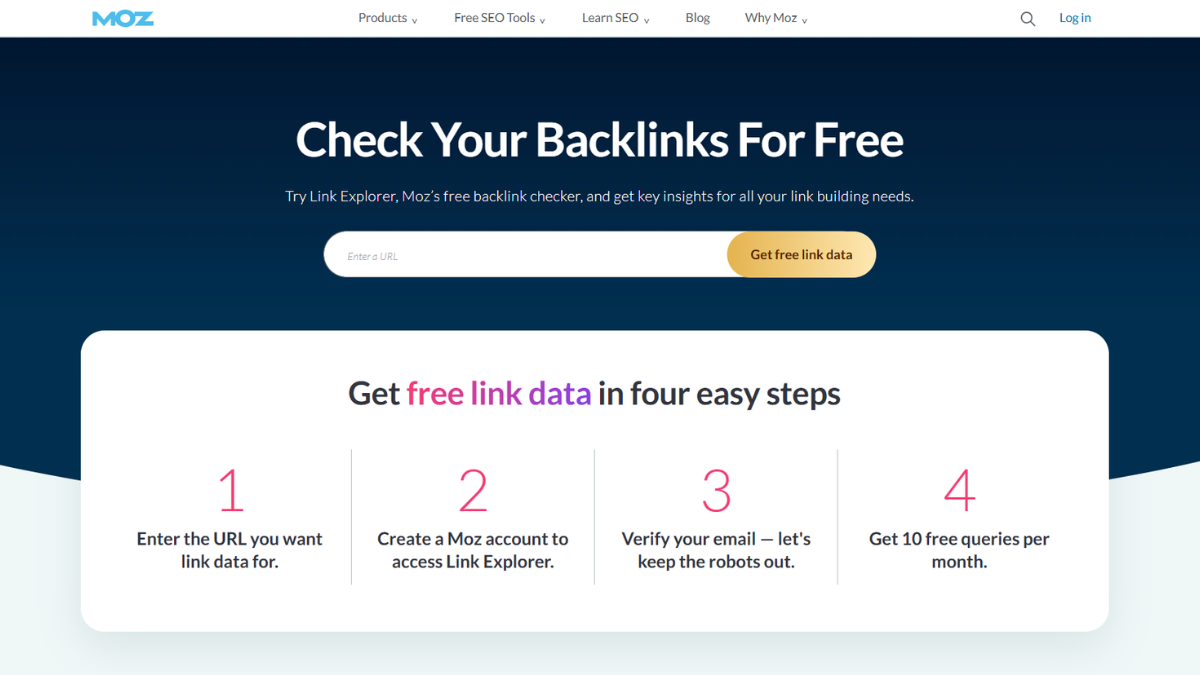
Moz Link Explorer provides valuable backlink insights while introducing widely used metrics such as Domain Authority and Spam Score.
Useful features include:
- Domain Authority.
- Page Authority.
- Spam Score.
- Top linking domains.
- Anchor text reports.
- Link opportunities.
It is especially helpful when comparing backlink strength between competing websites.
External Link Analysis Best Practices
Following proven SEO practices helps you build a stronger backlink profile while avoiding common mistakes. Instead of chasing large numbers of backlinks, focus on earning links that provide genuine value and long-term SEO benefits.
Earn High-Quality Links Naturally
The most valuable backlinks are earned because your content deserves to be referenced.
Create content that people naturally want to link to, such as:
- Original research.
- Industry reports.
- Detailed tutorials.
- Case studies.
- Statistics pages.
- Free tools.
- Templates.
- Comprehensive guides.
When your content solves real problems, authoritative websites are more likely to reference it.
Prioritise Relevance Over Quantity
Many website owners mistakenly believe that more backlinks always lead to better rankings. In reality, a few highly relevant backlinks often provide greater value than hundreds of unrelated ones.
Focus on earning backlinks from websites that:
- Operate in your industry.
- Share similar audiences.
- Publish high-quality content.
- Have strong editorial standards.
Quality consistently outperforms quantity in modern SEO.
Monitor Backlinks Regularly
Backlink profiles constantly change. New backlinks appear, existing links disappear, and spam links may accumulate over time.
A monthly backlink audit allows you to:
- Detect harmful backlinks early.
- Recover valuable lost links.
- Track new referring domains.
- Measure campaign success.
- Maintain backlink quality.
Consistent monitoring keeps your SEO strategy proactive rather than reactive.
Diversify Your Link Sources
A natural backlink profile includes links from multiple sources rather than relying on one type of website.
Consider earning backlinks from:
- Industry blogs.
- News publications.
- Resource pages.
- Business directories.
- Educational websites.
- Professional associations.
- Podcasts.
- Digital PR campaigns.
A diverse backlink portfolio appears more trustworthy to search engines.
Remove Harmful Links Carefully
If harmful backlinks continue growing despite your efforts, carefully evaluate whether they should be removed or disavowed.
Before using Google's Disavow Tool:
- Verify the backlinks are genuinely harmful.
- Attempt manual removal where possible.
- Avoid disavowing valuable links accidentally.
- Keep records of your backlink reviews.
Disavowing should be used thoughtfully rather than as a routine SEO practice.
Publish Link-Worthy Content Consistently
The best long-term link-building strategy is consistently publishing valuable content.
Content that naturally attracts backlinks includes:
- Beginner's guides.
- Ultimate resource pages.
- Industry statistics.
- Comparison articles.
- Original surveys.
- Free calculators.
- Downloadable templates.
- Visual infographics.
Publishing helpful content regularly increases the chances of earning editorial backlinks over time.
External Link Analysis vs Internal Link Analysis
Although both processes involve analysing links, they serve different purposes within an SEO strategy.
Feature | External Link Analysis | Internal Link Analysis |
Link Source | Other websites | Same website |
Primary Goal | Build authority and trust | Improve navigation and crawlability |
SEO Impact | Strong ranking signal | Improves site structure |
User Benefit | Referral traffic | Better navigation |
Authority Transfer | Between websites | Within your own pages |
Focus Area | Backlinks | Internal linking strategy |
Pairing your backlink efforts with a solid internal linking strategy ensures that authority earned from external links flows efficiently to your most important pages.
Both analyses are important because they complement each other. External links help build authority, while internal links distribute that authority throughout your website.
Conclusion
A strong backlink profile remains one of the most important factors for improving search engine rankings, increasing website authority, and driving sustainable organic traffic. Regular backlink reviews help you identify high-quality referring domains, detect harmful links, recover lost opportunities, and improve your overall SEO strategy. Instead of measuring success by the number of backlinks alone, focus on earning links from trusted, relevant, and authoritative websites that genuinely support your content.
Combining high-quality content, ethical link-building practices, and regular backlink monitoring creates a solid foundation for long-term SEO success. When paired with technical website audits using tools such as Crawlhunt, you can ensure that your backlinks continue passing value to properly optimised pages. Following XML sitemap best practices makes it easier for search engines to discover and index the pages your backlinks point to, maximising the SEO value of every incoming link. By making backlink analysis a regular part of your SEO workflow, your website will be better positioned to compete in search results, build online credibility, and achieve consistent organic growth.
Frequently Asked Questions (FAQs)
Why is External Link Analysis important for search rankings?
Search engines use backlinks as one of the key ranking signals. A strong backlink profile from relevant and authoritative websites can improve your website's credibility, increase keyword rankings, drive organic traffic, and strengthen domain authority. Analysing your external links also helps you remove or manage toxic backlinks before they affect your rankings.
How often should I perform an external link analysis?
For most websites, conducting an external link analysis once a month is recommended. If you actively build backlinks, publish content frequently, or notice sudden ranking changes, you should monitor your backlink profile more often to identify new opportunities or potential issues.
What makes a backlink high quality?
A high-quality backlink typically comes from a trusted, authoritative, and relevant website within your industry. It is naturally placed within useful content, uses appropriate anchor text, and provides value to readers. Editorial backlinks from reputable websites generally carry the most SEO value.
Can low-quality backlinks hurt my website?
Yes. Backlinks from spam websites, link farms, hacked websites, or irrelevant sources can negatively impact your SEO if they accumulate in large numbers. Regular backlink audits help identify these harmful links so you can remove them or use Google's Disavow Tool when necessary.